Last updated: November 20, 2026
A hospitality-first business treats how it feels to buy from them as part of what people pay for. That includes hotels and restaurants, and it also includes wedding photographers, planners, florists, interior designers and product-based shops that care about every step of the customer experience. For these businesses, social media is usually where people meet you first and your website is the room they walk into next, so both need to show the same level of care people get once they hire you or place an order.
Before Sunday Muse, I spent years in the wedding industry, first in wedding marketing and then running my own planning company. A wedding is hospitality from start to finish, so the industry teaches it fast. Months after the last dance, guests still remember whether they felt taken care of.
I'll never forget the wedding we moved off the top of a mountain and into an indoor venue downtown because a hurricane was headed our way. Guests were worried, the forecast kept changing, and almost every vendor on that wedding bent over backwards to make the new plan work. I saw the same thing during COVID, when venues and vendors rescheduled and replanned for couple after couple. And on a completely normal Saturday, you'd still see vendors making sure every guest had what they needed and felt good about being there.
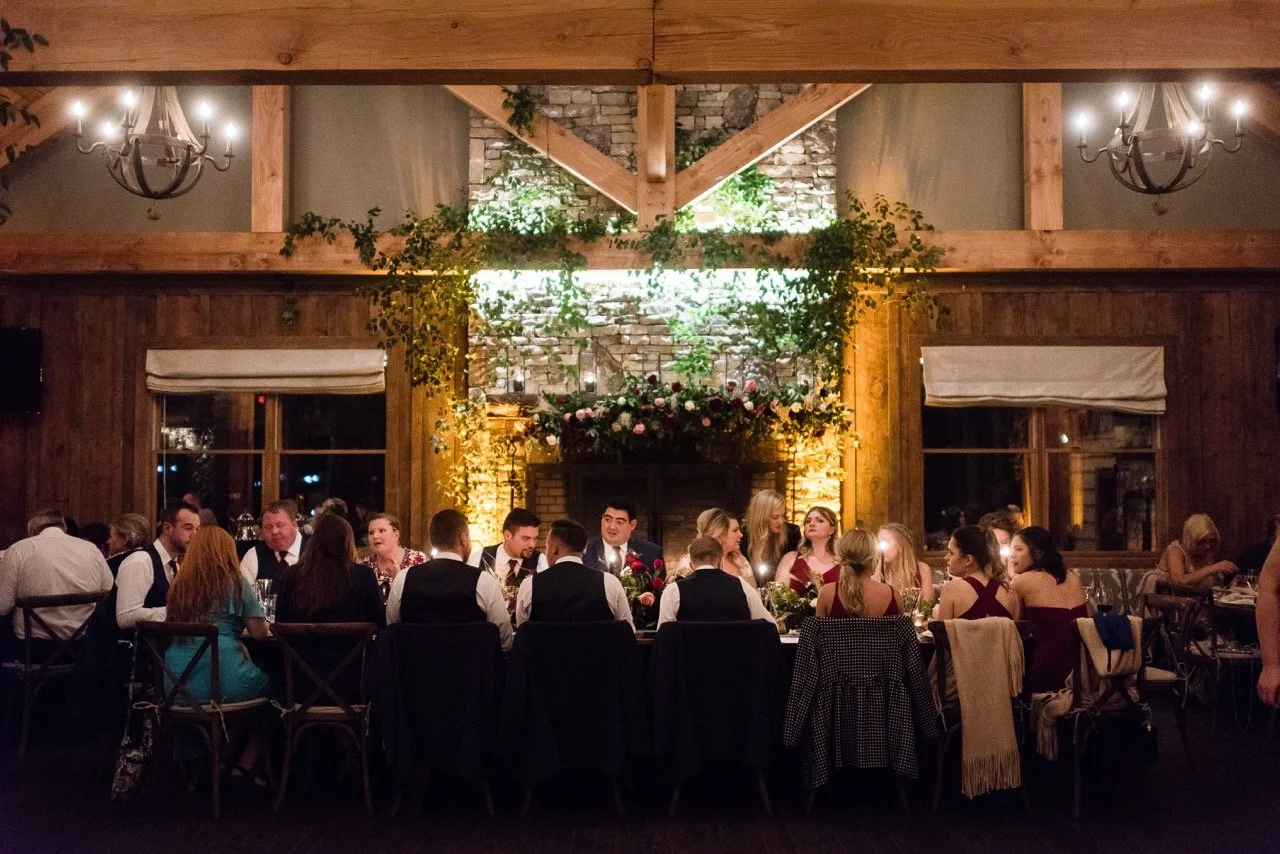
Look close - do you see me from my wedding planing days?
A lot of them also had websites that showed none of it. I watched talented people get passed over because their brand looked like a business half their size, and that's a big part of why I started Sunday Muse.
So going into 2027, I'm describing the businesses Sunday Muse is for as hospitality-first. In this post, I'll explain what that means, who it includes (including product-based shops), where hospitality shows up in your brand and website, and how to tell if your brand has fallen behind the experience you already give people.
What Is a Hospitality-First Business?
A hospitality-first business knows that how it feels to buy from you is part of what people pay for. The experience around your product or service is a big part of why people come back, refer their friends and happily pay what you charge.
The term comes from the hospitality industry, where this is the whole business model. A good hotel thinks about the guest from the moment they book: the confirmation email, the lobby, the way the front desk says their name and the note on the pillow. Each of those moments tells the guest what kind of stay this is going to be.
Plenty of businesses outside hotels and restaurants run the same way. They think about their clients and customers before, during and after the sale. They answer questions before anyone has to ask. They notice the small things, and they assume their clients notice too.
If you run a business like that, you probably already know it. People tell you how easy you were to work with. Clients send you thank-you notes. Customers tag you when the package shows up. The care is built into how you work, even if you've never had a name for it.
That name is useful, because once you see your business as hospitality-first, it changes what you expect from your brand. Every place people meet you, from your Instagram to your website, should feel like the rest of the house.
Who Counts as a Hospitality-First Business?
Hotels, restaurants, venues and bed-and-breakfasts are the obvious ones. If you're in hospitality by name, you already think this way, and your brand needs to keep up with you.
The group gets a lot bigger from there.
Hospitality in Service-Based Businesses
Wedding photographers, planners, florists, interior designers, stylists, bakers and event pros spend months with their clients. For a lot of those clients, the experience is half of what they remember. Years later, a couple will still tell their friends that you made them feel calm the whole day.
In a service business, hospitality shows up in the inquiry reply, the first call, the welcome guide, the way you explain your process and how you follow up when it's over. It also shows up in the small decisions, like sending a timeline reminder before anyone has to ask.
Hospitality in Product-Based Shops
If you run an online shop, you may never have called yourself a hospitality brand. I'd argue a lot of shop owners are some of the most hospitality-first people I know.
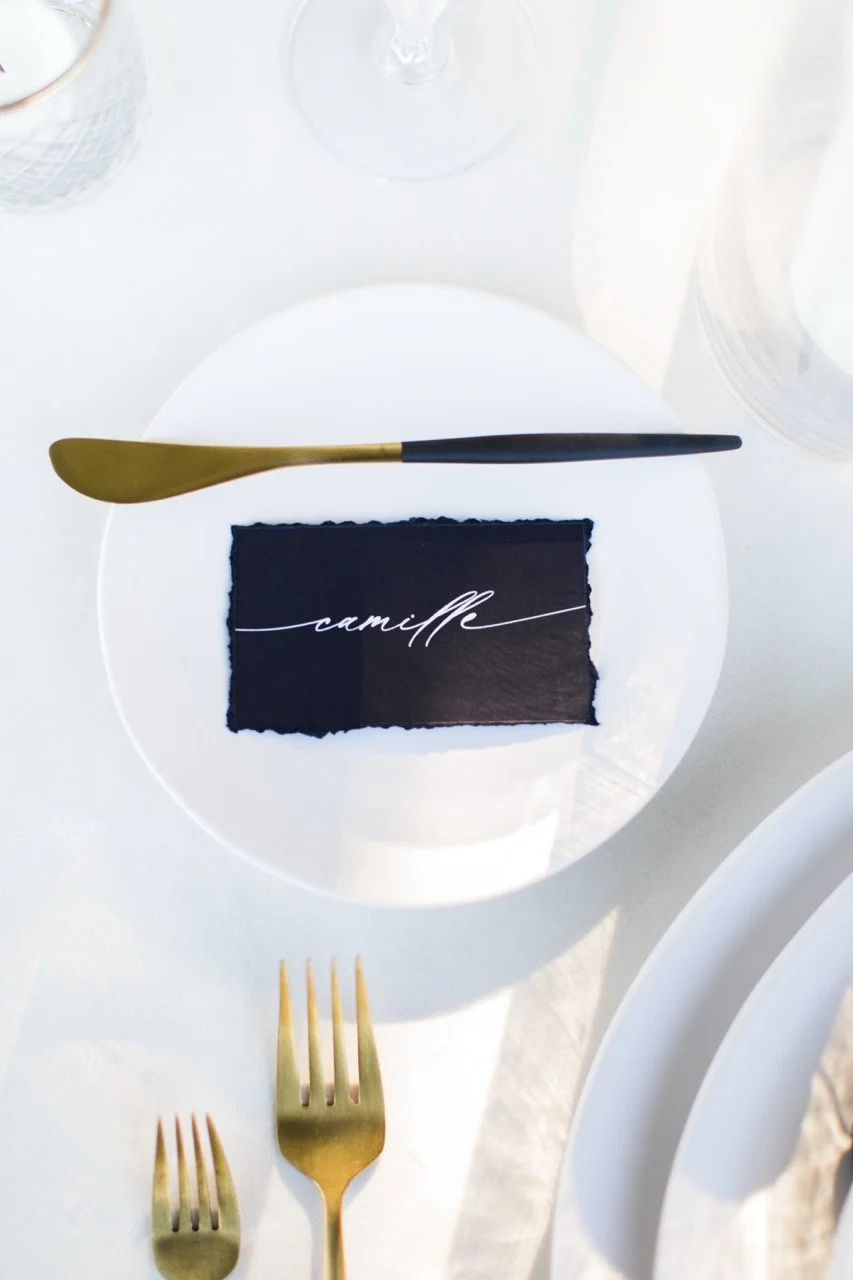
For a shop, the hospitality lives in the product page that answers every question before checkout, the packaging that makes someone want to keep the box, the handwritten note tucked inside and the reply you send when a customer emails about a delayed order. Every one of those moments tells a customer whether you thought about them.
Shop owners who think this way tend to build loyal customers who buy again, leave reviews without being asked and send their friends your link.
What Hospitality-First Businesses Have in Common
Whatever you sell, hospitality-first businesses share a few habits. They pay attention to the details people notice. They care about how the experience feels from the customer's side. And they want every part of the business, from the website to the packing slip, to feel like it came from the same place.
Where Does Hospitality Show Up in Your Brand?
Restaurants split the business into two parts. Front of house is everything the guest sees: the host stand, the dining room, the menu and the server. Back of house is everything that makes it run: the kitchen, the prep, the ordering and the systems. A great restaurant needs both, because guests can feel a chaotic kitchen from the dining room.
Your brand works the same way.
Your Brand's Front of House
Your front of house is every place a potential client or customer meets your business before they buy. That includes your Instagram, your website, your Google Business Profile, your product photos, your inquiry form and your pricing page.
For most service businesses, the first stop is social media. People want to see who's behind the business before they ever click over to your website. Who runs it? Do they seem nice? Would I want to get on a Zoom with this person?
Think about walking into a wedding reception. The first thing you notice is who greets you at the door, and you get to the flowers and the lighting after that. Your Instagram is the greeter, and your website is the room people walk into next. I talked about this in the Season 1 finale of Name Brand, and it's one of the biggest things 2026 taught me.
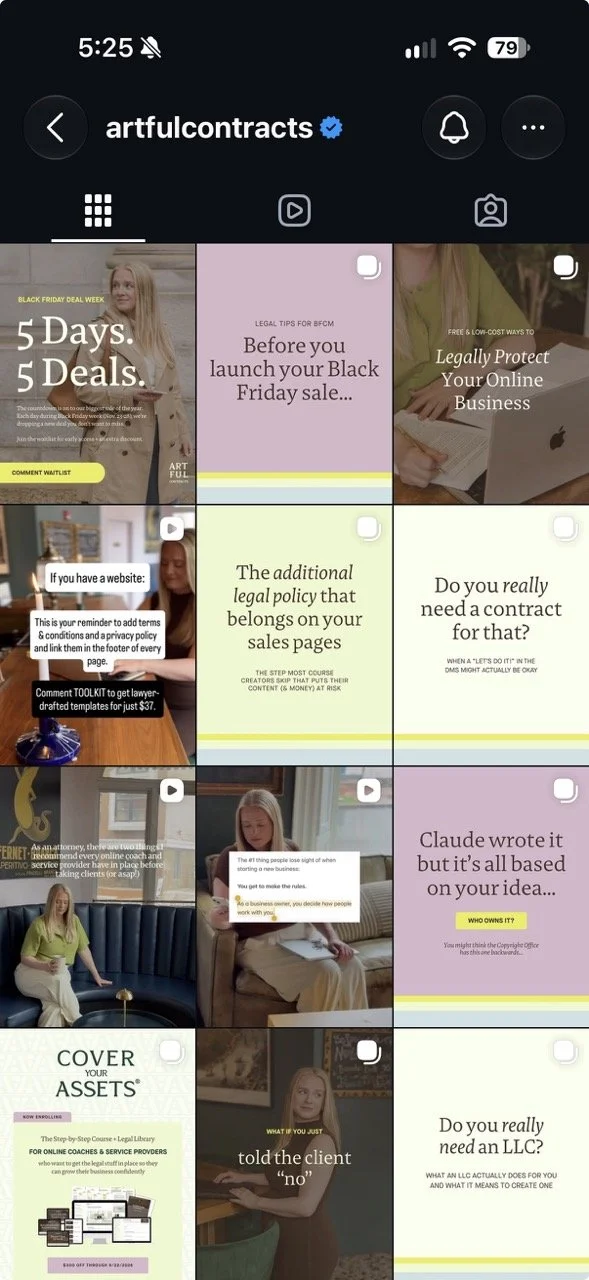
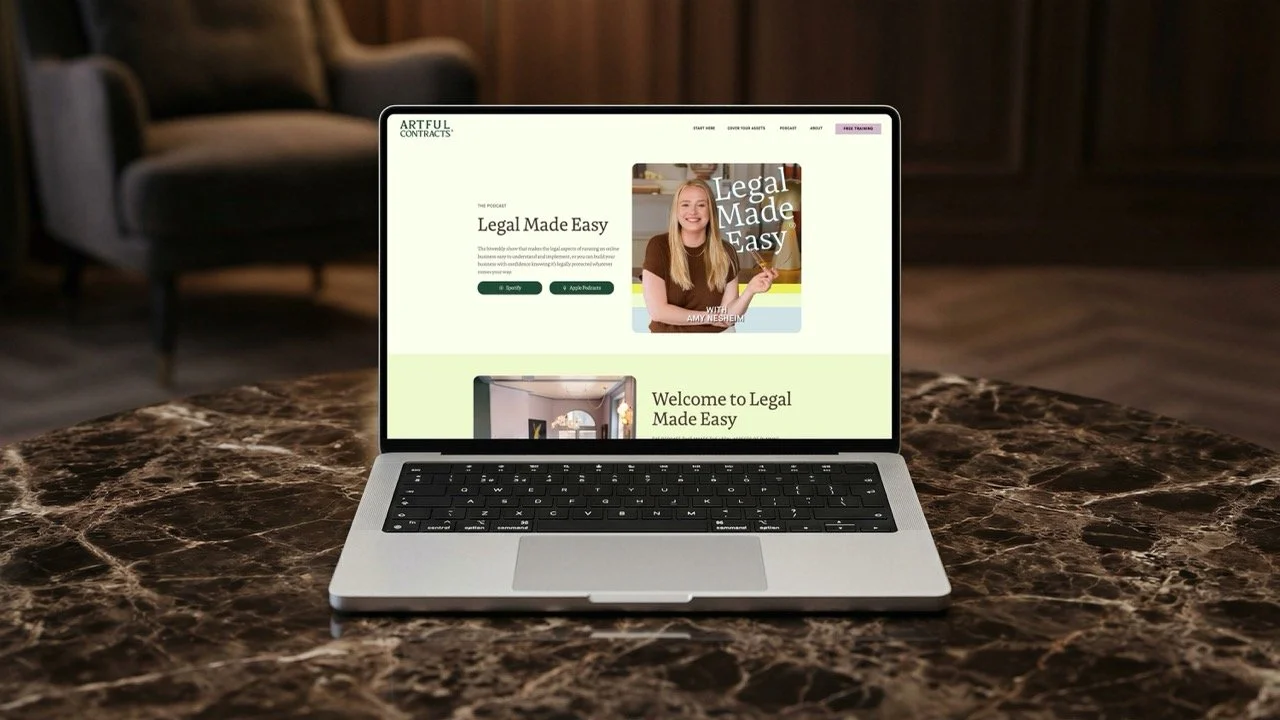
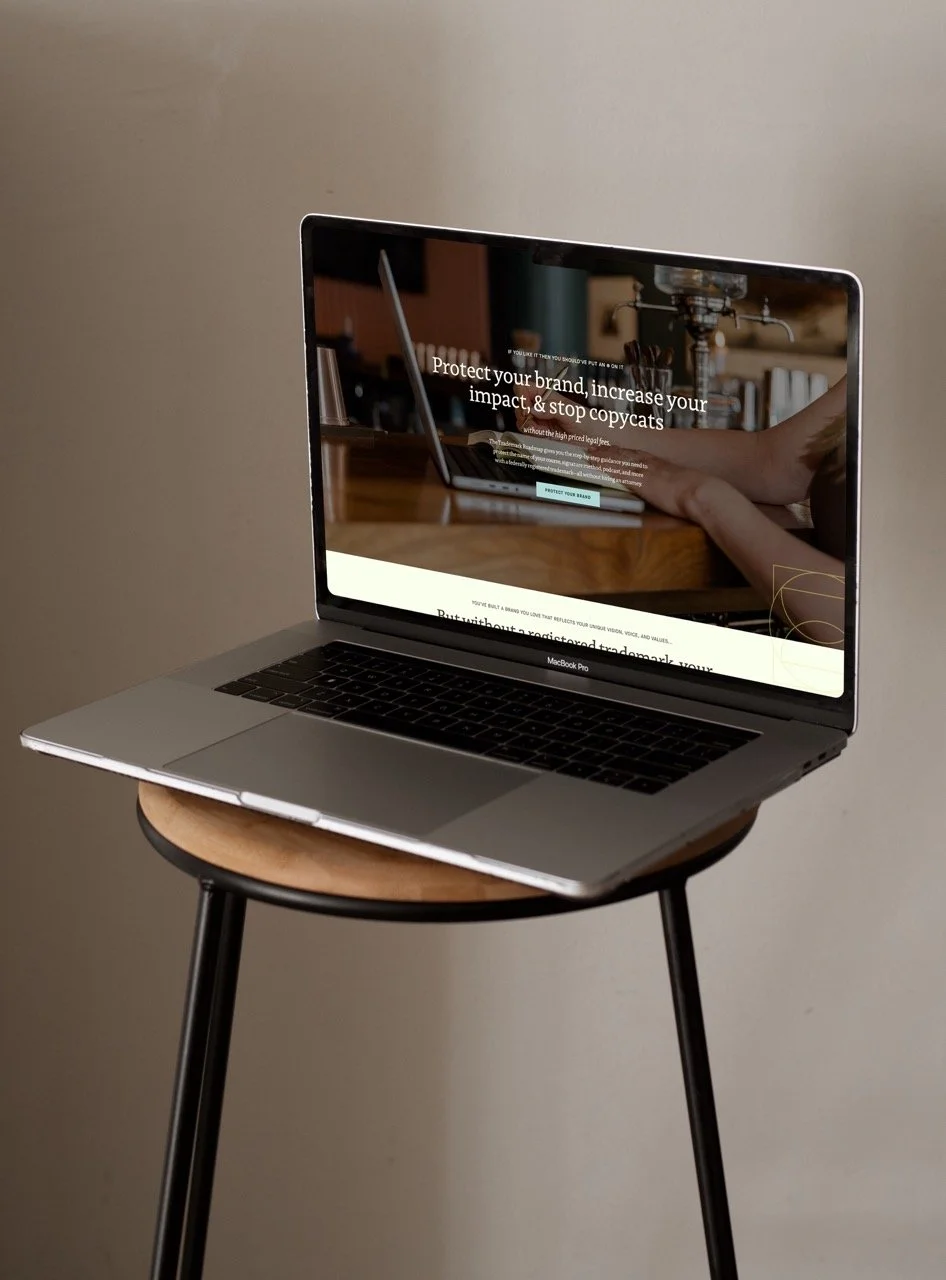
A hospitality-first front of house makes it easy to tell who you are, who you help and where to go next. Your website picks up right where your Instagram left off, so the warm, fun person people met on Instagram sounds like the same person on your website. It also answers the questions people are too shy to ask and shows the level of care they'll get once they hire you.
Your Brand's Back of House
Your back of house is everything a client or customer feels without seeing it directly. That includes your onboarding emails, your contracts, your process docs, your shipping and order confirmations, your auto-replies and the systems that keep you from dropping the ball when things get busy.
When the back of house is in good shape, the front of house gets to be generous. You answer faster, you follow up on time, and nobody waits three days to hear back because an email got buried.
If you want more ideas for your own front and back of house, my Resources page has the reads, episodes and tools I recommend most.
How Do You Know If Your Brand Has Fallen Behind Your Hospitality?
The most common thing I see with hospitality-first businesses is a brand that's behind the experience. The owner gives clients and customers an incredible experience, and the website still looks like the version of the business from five years ago.
Here are the signs I look for:
People rave about working with you, and your inquiries keep coming in under your prices. Your brand is setting a price in people's heads before they ever see yours.
You explain your process on every single call. Your website should be doing some of that hosting for you.
Referrals book easily, and new inquiries from Google or Instagram stall out. Referrals arrive already trusting you. Everyone else only has your brand to go on.
Your website, Instagram and packaging all look like different businesses. Guests notice when the lobby, the menu and the room don't match.
You'd hesitate before sending a high-end referral partner to your site. If a planner, a concierge or a boutique buyer looked you up today, you'd want to explain first.
If two or more of those sound familiar, your brand is underselling the experience you already give people. That's good news, because the hard part, being great to work with, is already done.
This is especially important if you have big plans next year. Raising your prices, adding a service, opening a second location or going after a higher-end client all ask your brand to show people what you're worth before you've said a word.
Big Plans and High Standards: Who Sunday Muse Is For
At Sunday Muse, I work with hospitality-first businesses with big plans and high standards. You care how your inquiry reply reads and how your website looks on a phone at 11pm. You notice when something is a little off, and you want it fixed before the new year. And you have something bigger coming.
The thing my clients tell me most is that I listen to them and take care of them. I hear it all the time, and it means the world to me. It's also exactly how I want your clients and customers to feel when they meet your brand.
That might be a price increase, a move into the luxury market, a new service or a second location. Whatever it is, your brand needs to be ready for the people those plans are meant for.
That's the work we do together: brand strategy, brand identity, websites and now social media, all under my creative direction. Every place someone meets your business should feel like it has the same host.
If you're not sure where your brand stands, start with the Sunday Snapshot. I look at your brand the way a new client or customer would and walk you through the six factors that shape how people see your business: Viewer, Vocation, Value, Visuals, Voice and Vibe. You'll know what's working, what's behind and what to fix first.
Or if you already know you're ready for the full picture, take a look at our services and tell me what you're planning next year. I'd love to hear it.
Frequently Asked Questions
What does hospitality-first mean?
Hospitality-first means a business treats how it feels to buy from them as part of what people pay for. The experience around the product or service gets the same attention as the product or service itself.
Do you have to be in the hospitality industry to be hospitality-first?
Any business that puts care into the customer experience can be hospitality-first. Hotels, restaurants and venues are the most familiar examples, and wedding photographers, planners, florists, interior designers, stylists and product-based shops fit too.
Can an e-commerce shop be hospitality-first?
Yes. For an online shop, hospitality shows up in product pages that answer questions before checkout, packaging people want to keep, a handwritten note in the box and a thoughtful reply when a customer emails about an order.
What do front of house and back of house mean for a brand?
Front of house is everything a potential client or customer sees before they buy, like your Instagram, website, Google Business Profile and inquiry form. Back of house is everything they feel without seeing it directly, like onboarding emails, contracts, order confirmations and the systems behind them.
How do I know if my brand reflects my client experience?
Look for a few signs: people rave about working with you while inquiries come in under your prices, you explain your process on every call, referrals book easily while new inquiries stall, or your website, Instagram and packaging look like different businesses. Two or more usually means your brand is behind your hospitality.
What is the Sunday Snapshot?
The Sunday Snapshot is a brand review from Sunday Muse Design. I look at your brand the way a new client or customer would and walk you through six factors that shape how people see your business: Viewer, Vocation, Value, Visuals, Voice and Vibe.
Where can I get more posts like this?
My Tuesday newsletter, The Muse Memo, shares what I'm seeing in branding, websites and marketing for hospitality-first businesses every week.