
There is something very fun about opening a client's brand files again five years later.
I remember that logo. I remember the font we tried and immediately hated. I remember why we chose that color, how we wanted the website to feel, and what the client hoped the business would become.
Then I get to see what happened.
The business grew. The brand went out into the world and did its job. People saw it, used it, remembered it, and began to connect certain things with that business.
Now we get to decide what it needs for the next five years.
We tend to treat a completed brand project like a kitchen renovation. You did it. It looks great. Surely the goal is to avoid doing it again for as long as humanly possible.
To some extent, yes. I believe deeply in building brands with good bones and enough flexibility to serve a business for a long time.
But a long-lasting brand and a permanently finished brand are two different things.
Your business is going to keep moving. Eventually, the brand may need to move with it. And when that happens, there can be enormous value in returning to someone who already understands what you've built.
You get to start with history.

A good brand isn't supposed to stay frozen
One of the goals I hear often at the beginning of a branding project is some version of, "I don't want to do this again in three years."
Fair.
A thoughtful branding process requires time, money, attention, and approximately 700 opinions about fonts you didn't know you had.
I don't want my clients replacing everything every few years either.
I want to build brands that age well.
But "ages well" does not mean "never changes."
A business may introduce a new offer, move into a different market, raise its prices, expand its team, open a physical location, develop products, start speaking, publish a book, attract press, or simply become much more sophisticated than it was when the brand was created.
A good brand gives the business room to do those things.
You might use the same logo for 10 years while adding new colors along the way. Your website may grow from five pages to 25. A simple set of brand photos might turn into a full photo library as your team and offers grow.
The brand grows because the business grows.
That is a good thing.
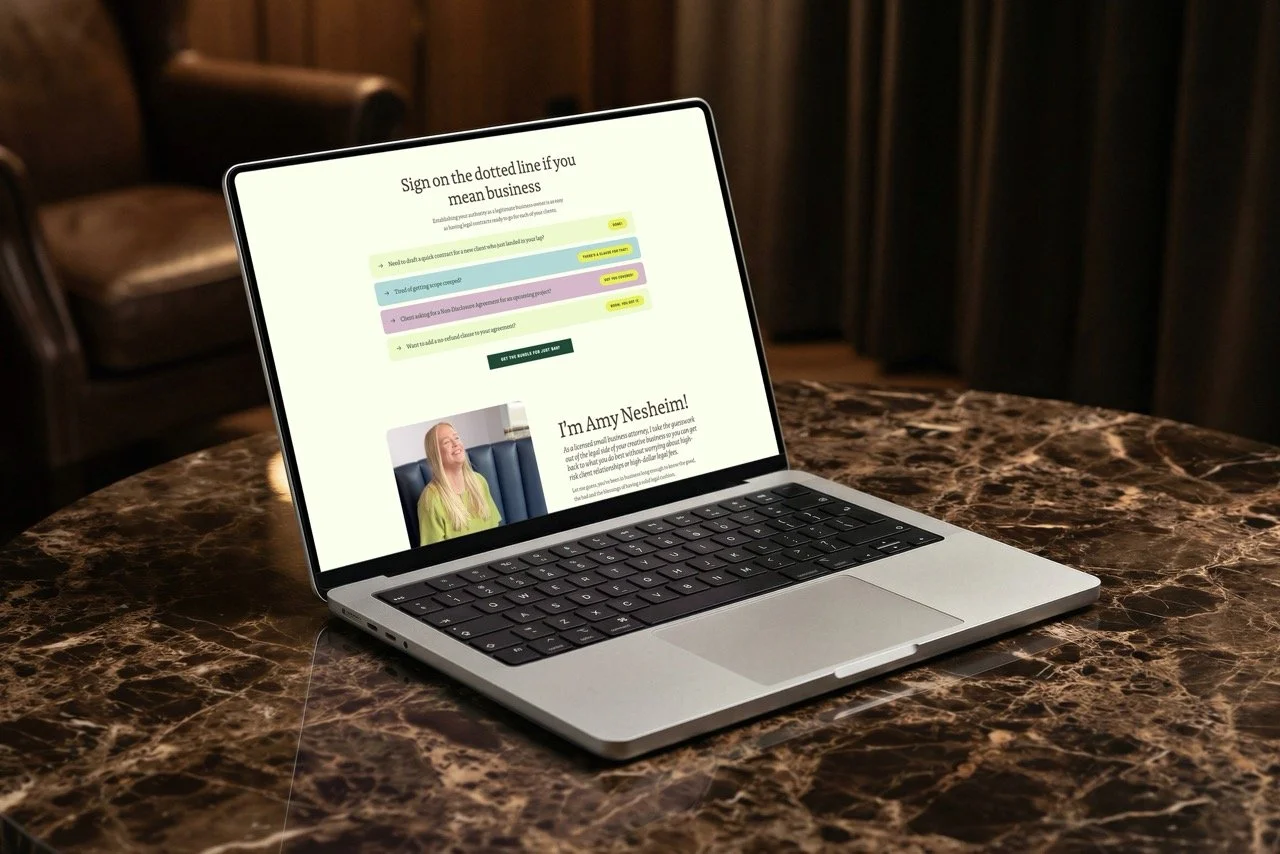
A brand can grow without starting over
Over time, parts of your brand become familiar to people.
Think about the color you use all the time or the logo on every proposal or the font people see on your website, Instagram, emails, signs, packaging, or whatever else you send into the world.
If someone sees your color before they see your name and already knows the post is yours, that is worth something.
You built that recognition one small moment at a time.
So when I work on a brand again, I want to know what people already know you for. I want to see what still feels right and where we have room to add more.
Maybe the logo still feels perfect and the website is ready for its next version. Maybe the colors still work, and we need more of them. Maybe the whole visual system could use a bigger update because the business has grown a lot since we created it.
We can make that call once we see the whole picture.
There is no prize for changing the most stuff. The prize is a brand that fits.
There is a lot we already know the second time around
The first time I work with a client, I have a lot to learn.
I need to understand how she thinks, what she cares about, who she wants to reach, where the business is going, and what she wants people to feel when they find it.
Years later, we already share that history.
And this is the fun part: I get to see where the business went.
Maybe the service we thought would be important became the thing everyone wants. Maybe the client is charging twice what she charged when we met. Maybe she has a team now. Maybe she is doing work we didn't even know would exist when we made the first brand.
All of that tells us something.
We get to look at the brand with years of real life behind it. We know what the client kept using, what customers recognize, and what the business grew into.
That makes the next round of work very interesting because we have more to work with.
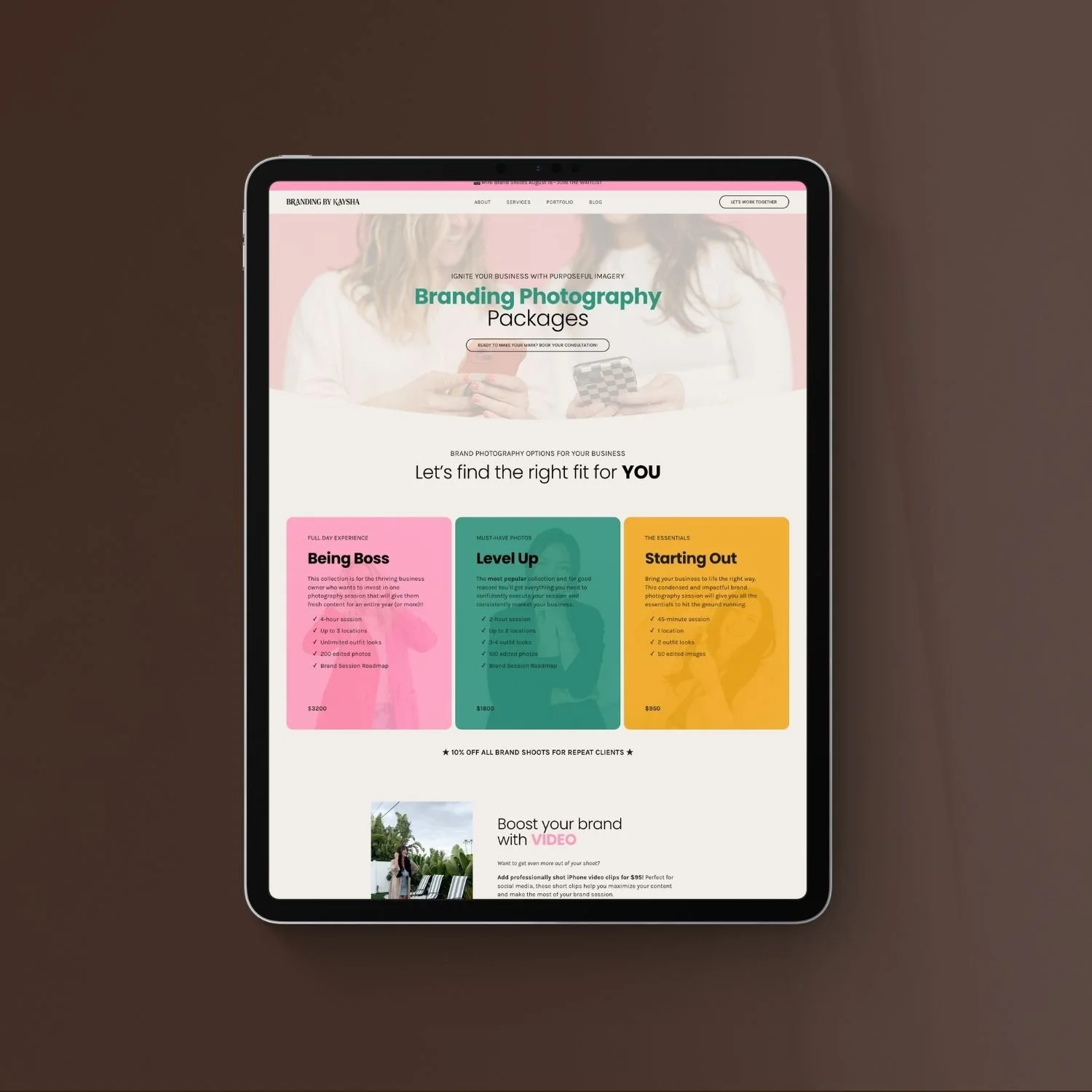
The value of shared brand memory
I think there is real value in having someone else remember your brand with you.
I remember what we were trying to build the first time. I know why certain choices were made. I also get to meet the business again as it is today.
That history helps me see the small things.
I might remember that we chose a simple logo because we knew the photography would do a lot of the visual work. I may know that one color was meant to be used in small doses. I might remember that we built extra room into the website because a new offer was already in the works.
Those details matter when we come back years later.
There is also something nice about skipping the first-date part of a creative relationship.
We know each other. The client knows how I work. I know her taste, her business, and the things she is going to care about before I show her a design.
We can get to the good stuff faster.
Your designer should know what not to change
This may be one of the most underrated skills in branding.
Designers are very good at seeing possibilities. Give us a website and enough time and we can find 62 things we'd like to touch.
We like making things. Shocking, I know.
Give me a perfectly good logo and I can probably imagine six other versions before lunch. Knowing when to leave the perfectly good logo alone is also part of the job.
I want every change I make to have a reason.
Maybe the logo has been on every box, sign, proposal, email, and Instagram post for seven years and still looks great. Wonderful. Keep it.
Maybe customers know your business by its pink. We should probably think very carefully before deciding this is your blue era.
Maybe the fonts still feel like you and the website simply needs more room for the business you've built.
Those pieces have earned their place.
They already feel like you. People recognize them. They still work.
Knowing the history of the brand helps me see that. I remember what each piece was meant to do, and now I can see how it has held up in real life.
Good design includes knowing when to put the pencil down.

Good brand systems should still work without the designer
I want my clients to be able to use the brands I make for them.Full stop.
You should be able to make a graphic. Your team should be able to send a proposal. Another designer should be able to open your brand guide and understand what is going on. You should be able to add something new without calling me because no one knows which shade of green is allowed.
That is part of building a useful brand.
If you call me again in five years, I want it to be because I'm the person you want in the room.
You know I understand the business. You trust my eye. I know the story behind the brand, and you want that history to come with us into whatever we're making next.
That is the kind of long client relationship I want to build.
When bringing the original designer back makes sense
You may reach a point where the business is ready for a bigger next chapter.
Bringing your original designer back may make sense when you're:
opening a shop or physical space
launching a product line
adding a major service
building a new website
growing your team
preparing for an opportunity that wasn't even on the vision board five years ago
Your existing brand may already have plenty worth keeping.
This is a great time to call the person who knows why those pieces are there.
She can look at what the business has become, what people recognize, and where the brand has room to grow. You can keep building from everything that already works.
This is one of my favorite parts of what I do.
I get to make a brand with someone, send it out into the world, and sometimes meet it again years later. By then, it has stories. It has history. It has been on invoices and business cards and websites and probably at least one Canva graphic it did not deserve.
And it has helped represent a real business while that business kept becoming more of itself.
Then we get to ask: What does it need now?
Maybe the answer is a lot. Maybe it is surprisingly little. Either way, we begin with something valuable already in our hands.
We begin with a brand people know. And we give it room to keep growing.
That is what a brand that ages well is supposed to do.
Sunday's Best is my complete brand and website experience for businesses entering a new season. We look at what you've built, what deserves to stay, and what your brand needs now so it can keep growing right alongside your business.